R Dataframe Column Names From Vector
I m familiar with being able to extract columns from an r data frame or matrix like so. They are not in order so i can t simply remove by specifying 1 126.

Chapter 5 Matrices Introduction To Programming With R
How to join merge data frames inner outer left right 520.

R dataframe column names from vector. Don t hesitate to let me know in the comments section if you have further questions. I have a data frame with 300 columns of data. Not negative column select using braces syntax.
However this time we are using a numeric vector whereby each element of the vector stands for the position of the column. For that reason the previous r syntax would extract the columns x1 and x3 from our data set. The first column of our example data is called x1 and the column at the third position is called x3.
To get the list of column names of dataframe in r we use functions like names and colnames. In this r tutorial you learned how to append a vector to a data frame. When you subset a data frame using the name of a column and what you re getting is a sublist or a sub data frame.
Subscribe to my free statistics newsletter leave a reply cancel reply. X has 300 columns. This is probably the easiest solution in case you want to convert a data frame column to a vector in r.
As you can see based on the output of the rstudio console we stored the values of the column x1 in the vector object vec. I created a vector with 126 elements that are the column names of 126 of the 300. The r programming language.
How can i subset rows in a data frame in r based on a vector of values. Convert data frame column to vector in r. It has four rows and three columns.
I have a data frame and i would like to subset just the first row. Subsetting a dataframe using a vector 1. I tried various things with grep and matrix operations but they did not work.
If you want the actual atomic column you could use or somewhat confusingly to me you could do aframe 2 which returns a vector not a sublist. However there are several other alternatives example 2. Drop unused factor levels in a subsetted data frame.
I want to subset the 300 based on not being in my 126. Df1 data frame state c arizona georgia newyork indiana seattle washington texas code c az ga ny in st wt tx score c 62 47. In this tutorial we will be looking on how to get the list of column names in the dataframe with an example.
Your email address will not be published. Such as the following which did not work. How to rename a column name in r.
However the column names printed on the first line seem to include the column values separated by dots which is a very strange naming scheme. If i do test 1 the result is test 1 memory1 memory2 memory3 memory4 memory5 memory6 memory7 memory8 1 7 5 5 5 2 7 5 2 2 5 how do i subset the data frame so that i get just a vector of the numbers without the column names. The resulting data frame stores the values of each vector in a different column.
Let s first create the dataframe. Convert data frame column to vector by subsetting data. So try running this sequence and maybe things will be clearer.
15 Easy Solutions To Your Data Frame Problems In R Datacamp
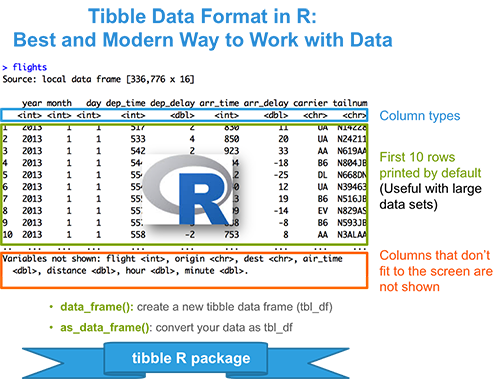
Tibble Data Format In R Best And Modern Way To Work With Your Data Easy Guides Wiki Sthda
Data Frames

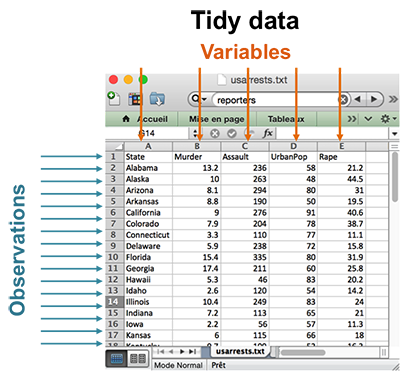
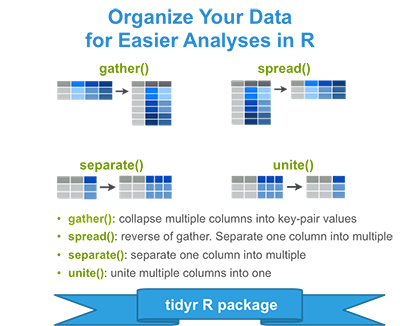
Tidyr Crucial Step Reshaping Data With R For Easier Analyses Easy Guides Wiki Sthda
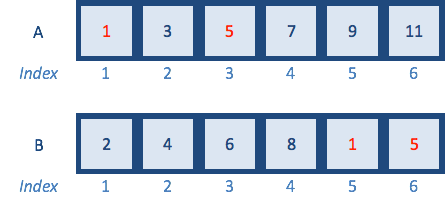
Advanced R Matching And Reordering Shortened Introduction To R
Data Analysis 1 Data Frames
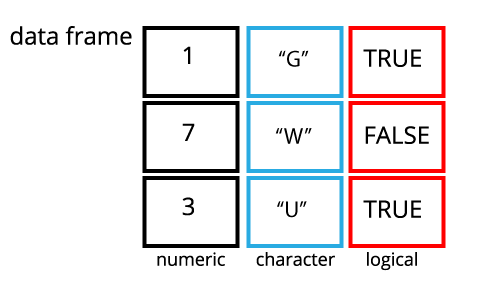

R Data Frame Javatpoint
Tidyr Crucial Step Reshaping Data With R For Easier Analyses Easy Guides Wiki Sthda
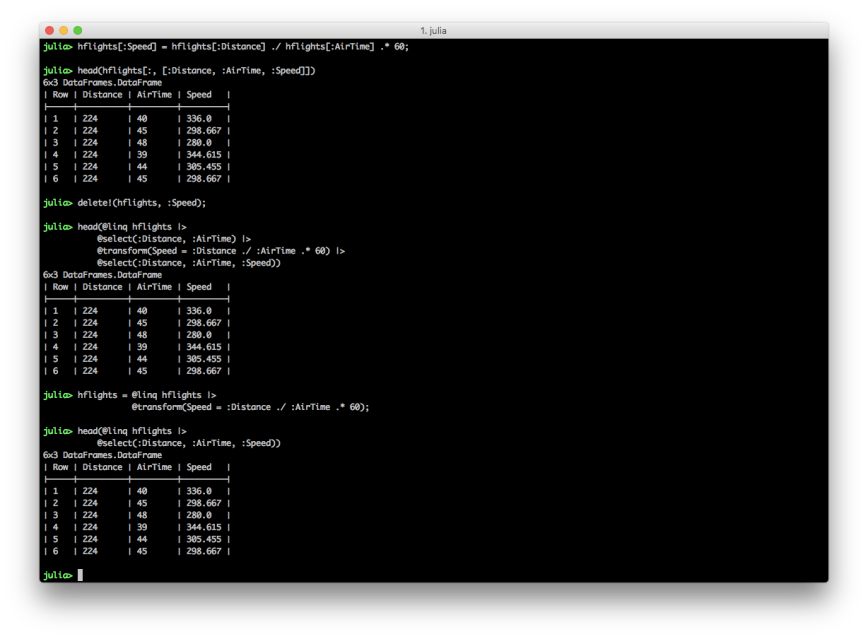
Data Wrangling In Julia Based On Dplyr Flights Tutorials Clinton Brownley S Decision Analytics
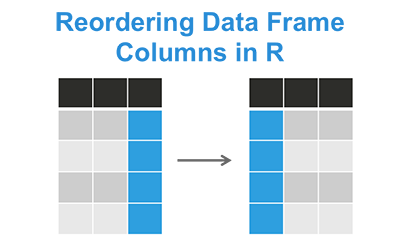
Reordering Data Frame Columns In R Easy Guides Wiki Sthda
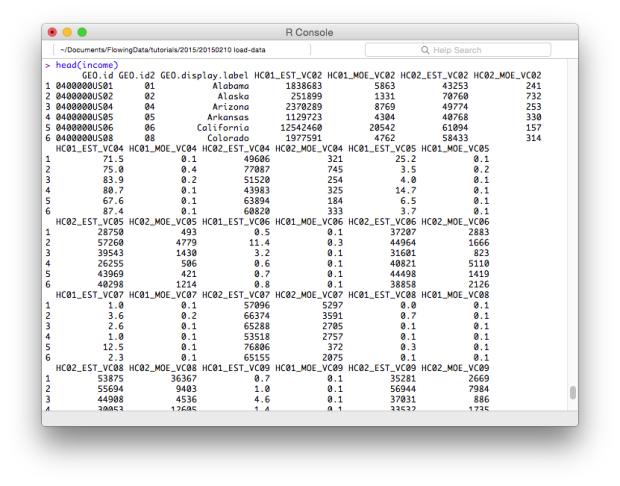
Loading Data And Basic Formatting In R Flowingdata

Dge Visualization Of Results Introduction To R And Dge
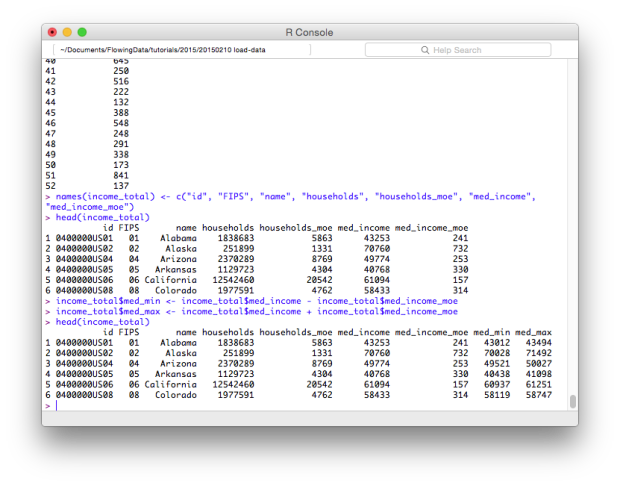
Loading Data And Basic Formatting In R Flowingdata

The Blocks And Rows Theory Of Data Shaping R Bloggers
Designing Transforms For Data Reshaping With Cdata Win Vector Llc
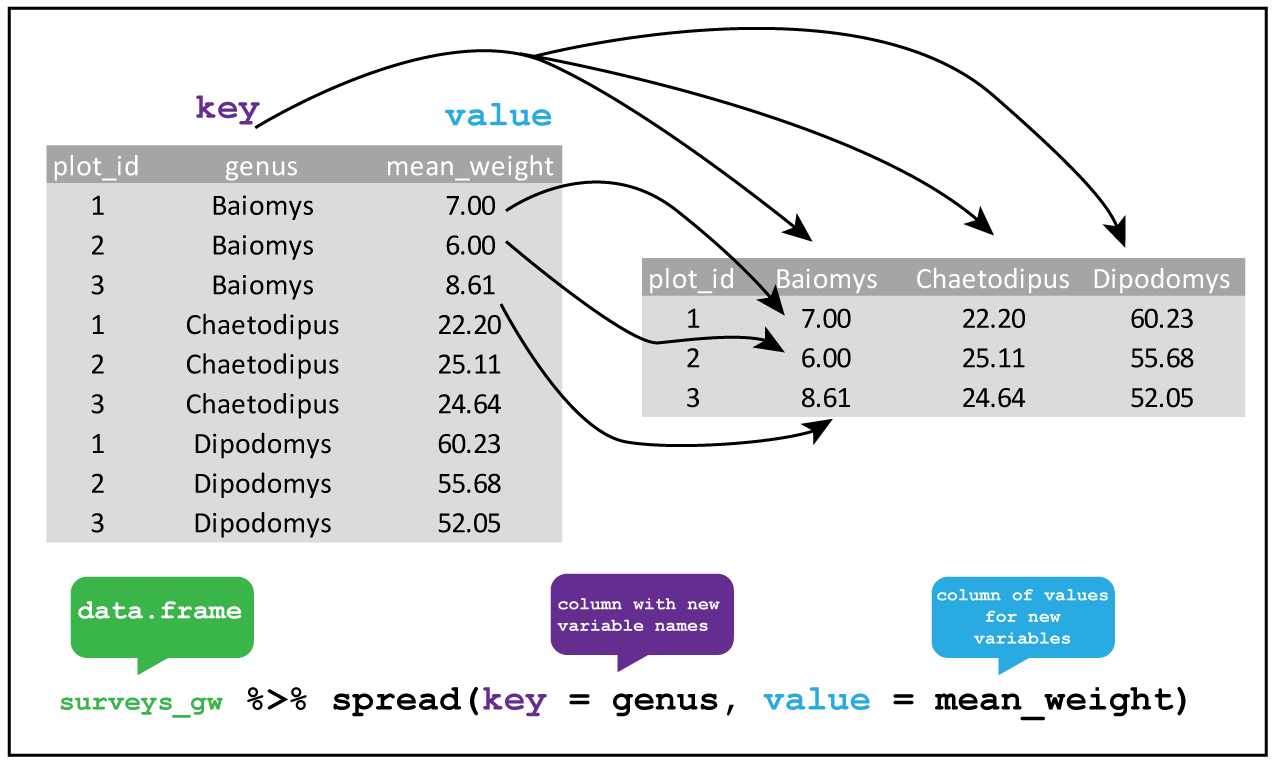
Dplyr
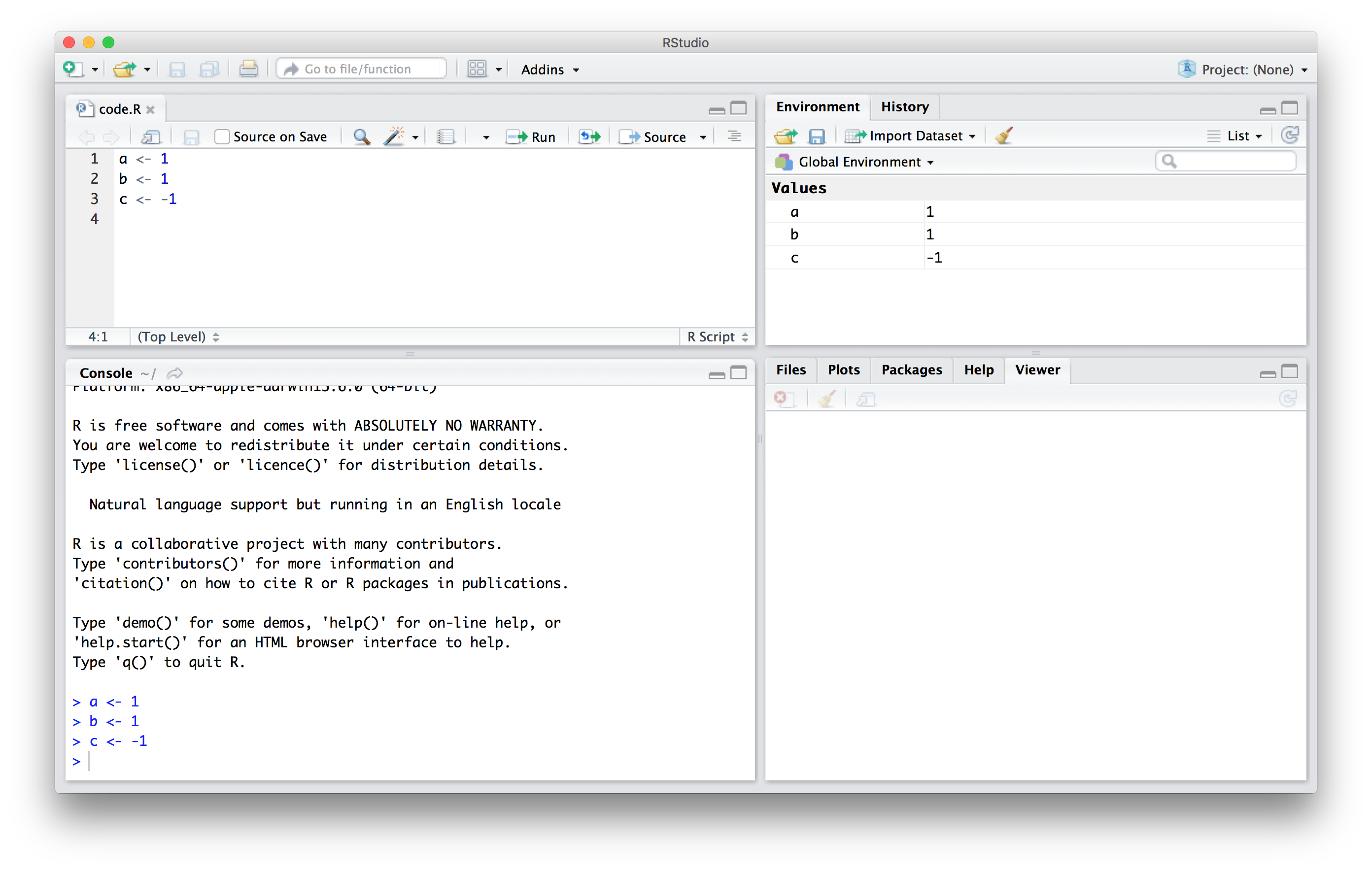
Chapter 2 R Basics Introduction To Data Science
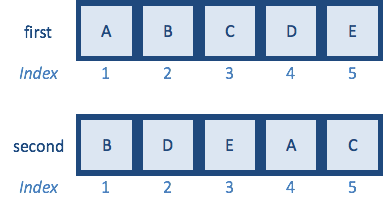
Advanced R Matching And Reordering Shortened Introduction To R
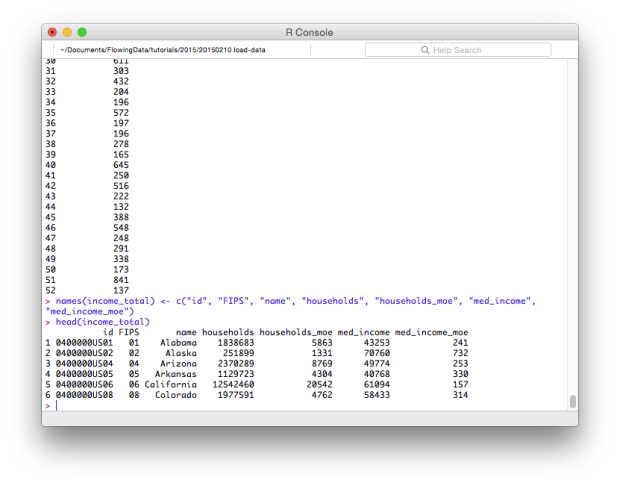
Loading Data And Basic Formatting In R Flowingdata

